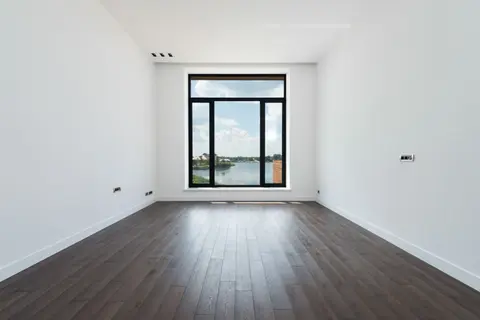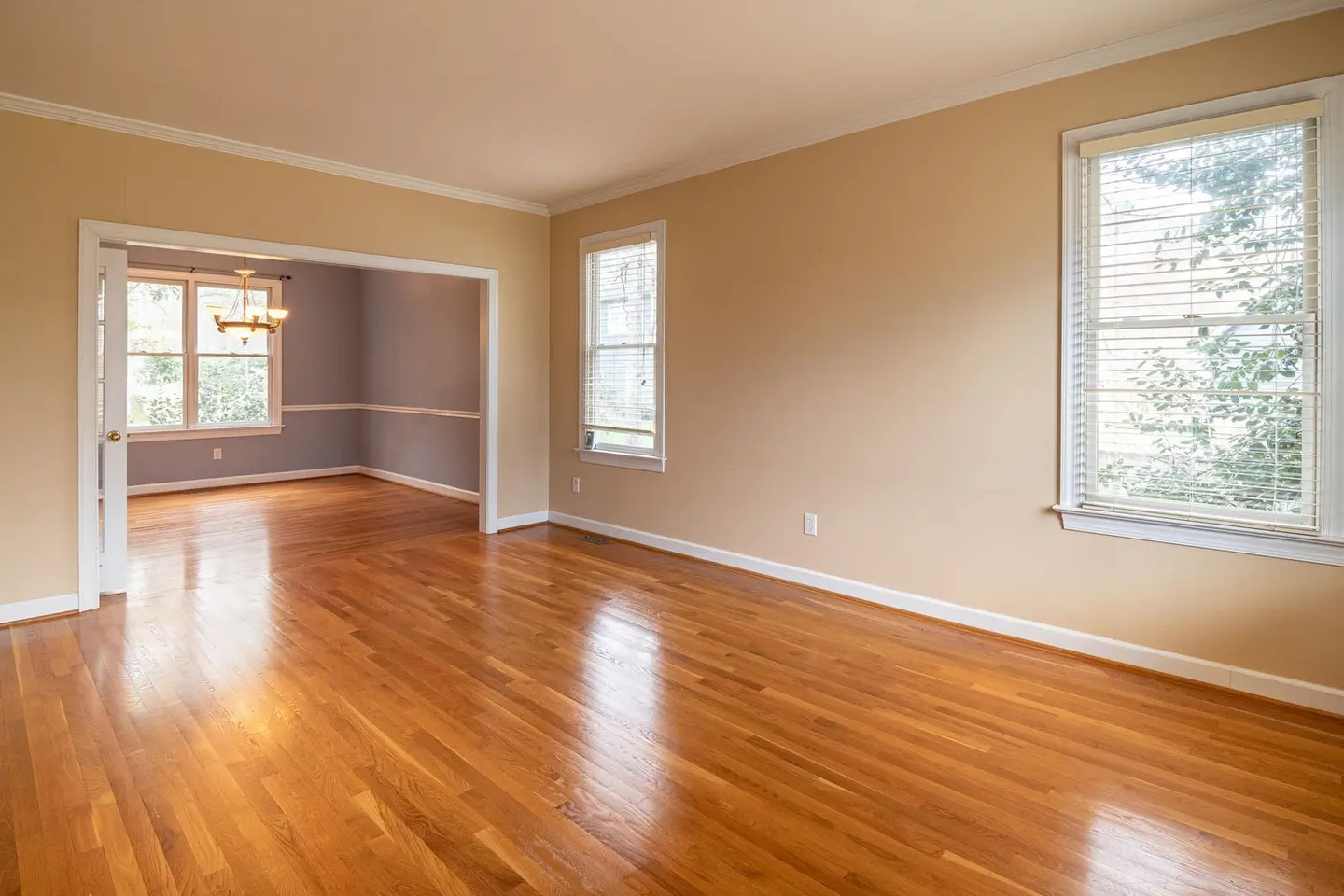
A well-maintained solid wooden floor can last for generations, because it can be sanded and refinished many times; a neglected one can show permanent damage within a few years. The good news is that wooden floors, whether solid hardwood, engineered wood, or parquet, need relatively little routine care. The fundamentals are simple: keep grit off the surface, keep moisture away, and re-apply finish before the wood itself becomes exposed.
Understanding Your Finish
Before you can look after a wooden floor properly, you need to know what finish it has, because different finishes need different care products, and using the wrong one can damage the floor or invalidate any warranty.
Lacquered (UV-cured or polyurethane): The most common finish on factory-finished engineered boards. A hard, plastic-like coating sits on top of the wood. Easy to clean; not repairable in sections (the whole floor needs sanding and refinishing if it wears through). Clean with a damp mop and a neutral pH cleaner, avoid oil-based cleaners, which leave a residue.
Oiled: Oil penetrates the wood fibres rather than sitting on top. Gives a natural, matte look. More maintenance-intensive but repairable in sections without sanding the whole floor. Clean with a specialist wood floor soap; re-oil periodically (every 1–2 years depending on traffic).
Waxed: Traditional finish, increasingly rare. Gives a soft sheen. Sweep regularly; re-apply paste wax periodically. Avoid water and wet mopping.
Unfinished / raw wood: Uncommon except in heritage properties. Highly susceptible to moisture and staining; needs finishing as soon as possible.
Day-to-Day Cleaning
Sweeping and Vacuuming
Grit and dust are wood’s worst enemy, fine particles act like sandpaper underfoot, scratching the finish with every step. Sweep or vacuum daily in high-traffic areas; every two to three days in lower-traffic rooms.
Use a soft-bristle brush, a microfibre flat mop, or a vacuum on the hard-floor setting (not carpet mode, the rotating brush bar on carpet mode can scratch the finish). Move in the direction of the wood grain.
Damp Mopping (Lacquered and Oiled Floors)
Mop weekly for kitchen and hallway floors; fortnightly or monthly for living rooms.
Key rules:
- Wring the mop thoroughly, it should feel barely damp, not wet. Standing water is the enemy of wood floors; moisture penetrates joints and causes cupping, swelling, and staining.
- Use a specialist wood floor cleaner made for your finish. Avoid bleach, vinegar, general soap-based cleaners, or anything strongly alkaline or acidic.
- Never steam clean a wooden floor, steam forces moisture directly into the wood structure and can cause irreversible damage, including delamination on engineered boards.1
- Dry the floor immediately with a dry microfibre cloth if any pooling occurs.
| Floor type | Cleaning method | Product to use | Avoid |
|---|---|---|---|
| Lacquered | Damp mop, weekly | pH-neutral wood cleaner | Steam, vinegar, oil soap |
| Oiled | Damp mop with specialist soap | Wood floor soap (e.g., Rubio Monocoat Soap) | Lacquer-based cleaners |
| Waxed | Dry sweep; barely damp mop | Liquid wax or wax soap | Water, wet mopping |
| Engineered | Damp mop, weekly | pH-neutral cleaner | Steam, excessive water |
Protecting from Damage
Felt pads on furniture. Stick adhesive felt pads to the bottom of every chair, sofa leg, and table leg. Replace them every 6–12 months, worn or grit-embedded pads cause more damage than no pads at all.
Entrance mats. Place a coir or rubber-backed mat outside every entrance and a separate mat inside to capture remaining grit.2 Feet tracked in from outside carry the fine silica that scratches finishes most aggressively.
Rugs in high-traffic areas. A rug in a hallway or in front of a sofa significantly reduces wear. Use a breathable non-slip underlay rather than rubber-backed rugs or mats directly on the floor, as rubber backings can trap moisture and damage the floor.1
High heels. A stiletto heel concentrates body weight onto a tiny area, and the pressure can dent or mark even the toughest wood floors.1 Ask visitors to remove heels; keep a spare pair of indoor shoes near the entrance if needed.
Sunlight and heat. Direct sunlight fades and dries wood; central heating creates low humidity that causes solid boards to shrink and develop gaps. Keep indoor relative humidity steady and within the range wood floors are designed for, typically about 35–65%, and use curtains or UV-filtering blinds in south-facing rooms.3 Avoid laying solid wood floors over underfloor heating unless the flooring maker approves it: some makers rule it out because solid boards cannot cope with the humidity swings that heating from below causes.4
Re-Oiling and Re-Waxing
Oiled Floors
An oiled floor requires maintenance oil applied periodically to replenish the oil in the wood fibres as it depletes through cleaning and traffic.
Frequency: Hallways and kitchens: annually. Living rooms: every 18–24 months. A simple test, drop water on the surface. If it beads, the oil is still protecting. If it soaks in quickly and darkens the wood, the floor needs re-oiling.
Process: Clean the floor thoroughly with wood soap and let it dry completely. Apply a maintenance oil compatible with the original finish, ideally from the same maker, with a flat applicator pad or short-pile roller. Work in sections of 2–3 m², applying sparingly and buffing in with the grain. Follow the maker’s drying times before any second coat and before walking on the floor or putting rugs back, which range from a few hours to several days depending on the product.
Cost of re-oiling a typical 20 m² living room yourself: £50–£120 for materials. Professional re-oiling: £200–£450 for the same room.
Waxed Floors
Apply paste wax (a thin layer) with a cloth or buffing machine. Buff to a sheen. Frequency: every 6–12 months in normal use.
Dealing with Scratches and Damage
Light surface scratches (finish only): On lacquered floors, fine surface marks are often invisible after cleaning. A light buff with a matching hard floor polish can reduce visibility. Deeper scratches on lacquered floors cannot be spot-repaired without full refinishing.
Scratches on oiled floors: Spot repairs are possible. Clean the area, apply a small amount of maintenance oil with a cloth, leave 30 minutes, buff dry. Deep scratches can be filled with a matching wood filler before oiling.
Dents: Shallow dents in solid wood can sometimes be raised by applying a damp cloth and pressing a hot iron briefly onto the cloth, the steam causes the compressed fibres to swell. This works on unfinished or oiled wood but not on lacquered floors (heat damages the lacquer).
Deep damage (gouges, staining through the finish): Sand and refinish the affected boards. On solid wood, professional sanding and refinishing of the whole floor typically costs £12–£30/m² depending on the finish (see below), or a fixed rate for spot repairs. On engineered boards, check the wear layer thickness first. One maker’s rule of thumb is no more than one sanding per millimetre of wear layer, keeping the last millimetre as the wearing surface, so a 4 mm layer allows about three sandings and a 2 mm layer one light sanding at most.5
When to Refinish
Signs that a floor needs professional sanding and refinishing:
- The finish has worn through to bare wood in high-traffic areas
- Stains have penetrated to the wood itself
- The floor is cupped, gapped, or has uneven boards (requires structural assessment first)
- The floor has been re-oiled or re-waxed multiple times and still looks dull or patchy
Professional floor sanding and refinishing: £15–£30/m² for lacquer finish; £12–£22/m² for oil finish, including two to three coats. A 25 m² living room typically costs £300–£750 for a full sand and refinish. Expect 2–3 days for the work and a further 24–72 hours of curing time before normal use.
References (5)
Figures in this note were checked against the sources below on 30 September 2026. Superscript numbers in the text point to them. Every source the site cites, by topic.
- 1technicalsupplier figureWoodpecker Flooring, guidance.RN-ZNFZ7GA UK wood flooring maker's cleaning advice. It says not to use steam cleaners, vinegar or soap-based cleaners on wood floors because heat and water can cause long-term damage.
- 2technicalsupplier figureJunckers Ltd, guidance.RN-YFI1LJA solid hardwood flooring maker's cleaning and maintenance guide. It recommends barrier matting at external doors, with an outside scraper mat and an inside absorbent mat, to keep grit and water off the floor.
- 3technicalsupplier figureJunckers Ltd, guidance.RN-CXAG2CA solid hardwood flooring maker's technical sheet on relative humidity. It states its boards are designed to operate between 35% and 65% RH, the normal range for occupied UK buildings.
- 4technicalsupplier figureWoodpecker Flooring, guidance.RN-0F48FVA UK wood flooring maker's guide to solid wood floors. It states that solid wood can be sanded down and refinished repeatedly, its main advantage over other floors.
- 5technicalsupplier figureWoodpecker Flooring, guidance.RN-E7HXQ6A UK wood flooring maker's buying guide. It advises sanding an engineered floor no more than once per millimetre of wear layer, so a 4 mm wear layer allows three sandings with 1 mm left for wear.
-
How to Clean Wood Flooring, Woodpecker Flooring, accessed 30 September 2026. woodpeckerflooring.co.uk
-
Cleaning and Maintenance Guide, Junckers Ltd, accessed 30 September 2026. junckers.co.uk
-
Relative Humidity, Junckers Ltd, accessed 30 September 2026. junckers.co.uk
-
Solid Wood Flooring: Your Questions Answered, Woodpecker Flooring, accessed 30 September 2026. woodpeckerflooring.co.uk
-
A Guide to Choosing Wood Flooring, Woodpecker Flooring, accessed 30 September 2026. woodpeckerflooring.co.uk