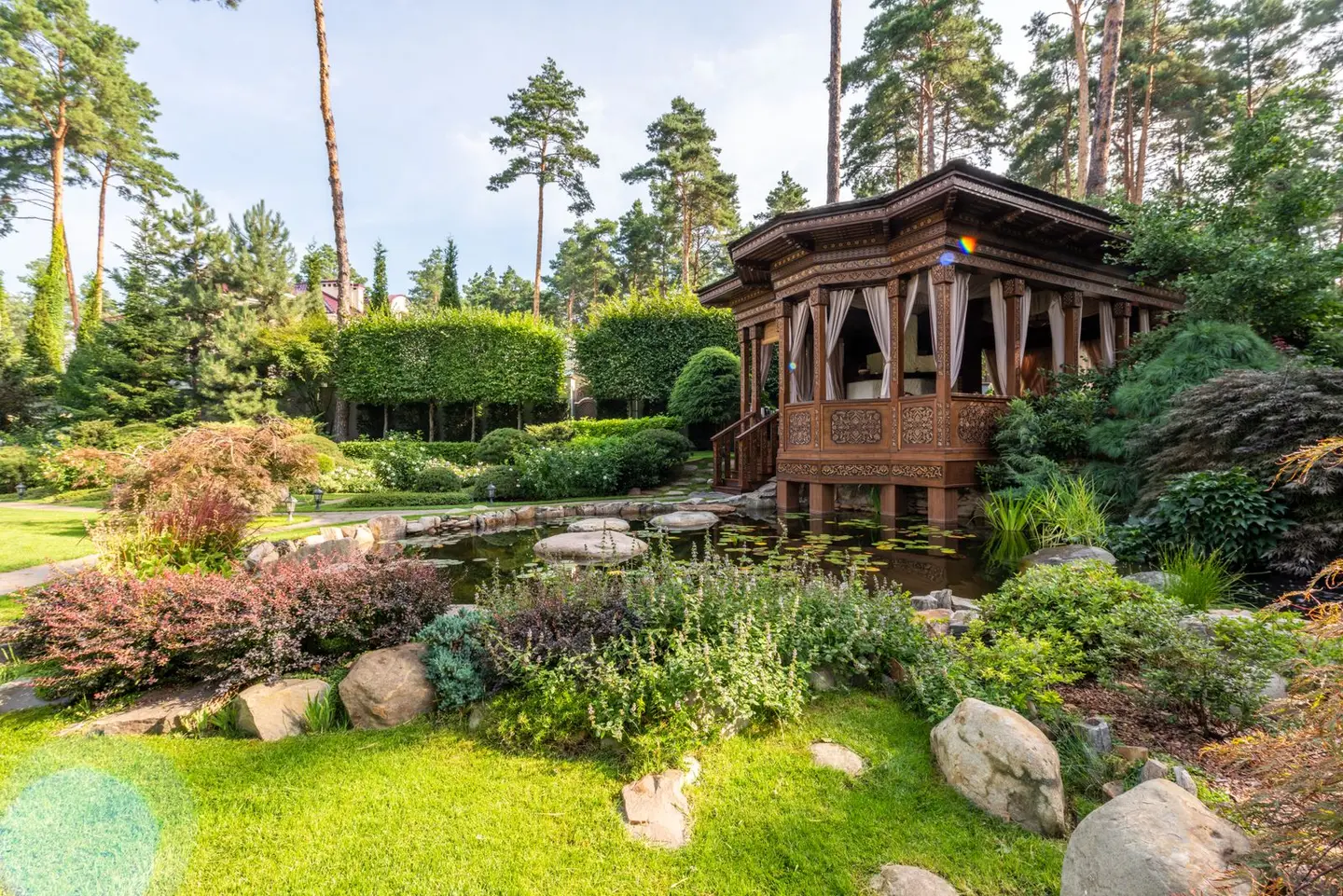
A well-maintained garden pond stays clear, healthy, and enjoyable with surprisingly little effort, provided you follow the seasons. Most problems, from green water to fish stress, stem from neglected filters or an imbalance of nutrients rather than anything more serious. Once you establish a routine, upkeep takes no more than an hour or two per month.
The key principle is working with the natural cycle. Water quality, plant growth, and biological filtration all shift dramatically between winter and summer, so your tasks need to shift with them.
Seasonal Maintenance Calendar
Each season brings distinct priorities. Tackle them in order and your pond will rarely need emergency intervention.
| Season | Key Tasks | Time Required |
|---|---|---|
| Spring (Mar–May) | Start up pump/filter, remove debris, divide overgrown plants, test water parameters, introduce new plants | 3–5 hours total |
| Summer (Jun–Aug) | Control algae, top up evaporated water, clean filter monthly, thin out surface plants to cover ~50% of surface | 1–2 hours/month |
| Autumn (Sept–Nov) | Net over pond to catch leaves, remove dead plant material, reduce feeding fish, clean filter before winter | 2–3 hours total |
| Winter (Dec–Feb) | Float a ball to prevent full freeze, do not break ice forcefully, remove submersible pump if temperatures drop below -5°C | Minimal monitoring |
Spring: Getting the Pond Ready
March and April are the most important months in the pond calendar. As water temperatures climb above 10°C, beneficial bacteria in your filter wake up and fish become active again. Start by removing the net you placed in autumn and clearing any remaining sludge from the bottom using a pond vacuum (available to hire from tool hire shops for around £30–£50 per day, or to buy from around £60–£150).
Divide overgrown marginal and aquatic plants before new growth gets too far advanced. Vigorous spreaders like yellow flag iris and water mint can take over a pond within two or three seasons if left unchecked.
Summer: Managing Algae and Water Quality
Green water caused by single-celled algae blooms is the most common summer complaint. It is triggered by a combination of strong sunlight, warm temperatures, and excess nutrients, often from fish waste or decomposing plant matter. String algae (blanketweed) is a separate problem: a fibrous green growth that wraps around plants and pump inlets.
To address algae naturally:
- Ensure floating and floating-leaved plants (water lilies, frogbit) cover roughly half the pond surface, shading the water below1
- Add oxygenating plants such as hornwort or curled pondweed to compete with algae for nutrients
- Avoid overfeeding fish, uneaten food breaks down and feeds algae
Do not add water hyacinth, once a popular floating pond plant: it is now listed as an invasive alien species, so it is illegal to sell, keep or grow it in England and Wales.2
UV clarifiers (fitted inline with your pump) are highly effective at clearing green water and cost £30–£120 depending on pond volume. They work within one to two weeks in most cases.
Autumn: Preventing Leaf Decay
Decomposing leaves are the single biggest cause of water quality problems in UK ponds. A single autumn without netting can add months’ worth of nutrient load to the water. Fit a fine mesh net over the pond from late September, securing it with tent pegs or heavy stones around the edge.3
Remove dead foliage from marginal plants before it collapses into the water. Cut back but do not remove hollow-stemmed plants like bulrush, the stems provide overwintering habitat for beneficial insects.
Winter: Freeze Protection
A fully iced-over pond can suffocate fish by trapping toxic gases beneath the surface. Float a rubber ball or a specialist pond heater on the surface to delay freezing and keep a small area clear.1 Never smash ice with a hammer, as the shock waves can harm fish.1 Instead, place a pan of hot water on the ice to melt a hole gradually.
If temperatures are likely to stay below -5°C for extended periods, move any submersible pumps and UV units indoors to prevent damage.
Water Quality: Testing and Target Parameters
Regular water testing is the foundation of pond health. Budget test kits that check pH, ammonia, and nitrite are available from garden centres and aquatics retailers for £10–£25. More comprehensive kits covering nitrate, KH (carbonate hardness), and dissolved oxygen cost £25–£50.
| Parameter | Ideal Range | Action if Outside Range |
|---|---|---|
| pH | 7.0–8.0 | Add pH buffer or partial water change |
| Ammonia (NH₃) | 0 ppm | Check filter is running, reduce fish load, partial water change |
| Nitrite (NO₂) | 0 ppm | Indicates immature or stressed filter; add beneficial bacteria liquid |
| Nitrate (NO₃) | Below 40 ppm | Regular partial water changes (10–15% per week) |
| KH | 6–10 dKH | Add crushed limestone rock or KH buffer to prevent pH swings |
Test once a week during the first month after setting up or re-starting a pond, then monthly once readings are stable. Always use dechlorinator (sodium thiosulphate) when adding tap water, chlorine and chloramine in mains water are toxic to both fish and the beneficial bacteria in your filter. A 500 ml bottle of dechlorinator costs around £5–£10 and treats thousands of litres.
Pump and Filter Maintenance
Your pump and filter are the heart of the pond’s life support system. Neglecting them is the fastest route to a crisis.
Pump: Rinse the pump impeller and pre-filter sponge monthly during the active season. Remove the pump from the pond every spring to clean the impeller housing thoroughly and check the cable for damage. Most submersible pumps last five to ten years with basic care.
Filter: Biological filters contain colonies of nitrifying bacteria on filter media (foam, ceramic rings, or plastic brushes). Never clean this media under tap water, the chlorine will kill the bacteria. Rinse it gently in a bucket of pond water. Clean mechanical foam pads more frequently, every two to four weeks in summer.
UV clarifier: Replace the UV bulb annually, even if it appears to still glow. UV output falls steadily with use, which is why a yearly change is the usual advice. Replacement bulbs typically cost £10–£30.
Plants That Support a Balanced Ecosystem
A well-planted pond is dramatically easier to maintain than a bare one. Plants compete directly with algae for nutrients and sunlight.
- Oxygenators (hornwort, water crowfoot): submerged plants that release oxygen and absorb excess nutrients
- Floating plants (water lily, water hawthorn): shade the surface and reduce sunlight penetration
- Marginals (marsh marigold, purple loosestrife, water forget-me-not): soften the edges and provide habitat for insects, frogs, and newts
- Deep-water plants (water lily, aponogetons): anchor in baskets at 30–60 cm depth
Aim for a mix across all layers. A wildlife pond, no fish, no pump, can be almost entirely self-regulating once plants are established, relying on natural rainfall and wildlife to maintain balance.
When to Do a Full Cleanout
The traditional advice is a complete cleanout every five years for a small pond and every ten years for a large one.1 Only do it when it is genuinely needed, because a cleanout can disrupt the pond’s ecosystem for several years.1 Signs that it is time include persistent black sludge deeper than 10–15 cm, a persistent sulphurous smell (hydrogen sulphide from anaerobic decomposition), recurring fish health problems, or a filter that requires cleaning every few days.
A full cleanout involves temporarily housing fish and amphibians in buckets with pond water, removing plants, pumping out the water, vacuuming or scooping sludge, and refilling gradually. Retain as much of the original water as possible to preserve the biological culture and reduce re-cycling time. Expect it to take a full day for a pond up to 5,000 litres.
Environment Agency Consents
A garden pond at a house is normally permitted development, because Class E of the permitted development rules covers a swimming or other pool in the garden, so it does not usually need planning permission unless it would sit forward of the house’s principal elevation or within the curtilage of a listed building.4 A pond that is not connected to a watercourse needs no Environment Agency permission. However, if your pond connects to, or discharges into, a watercourse (stream, ditch, or river), different rules apply. Any work on or within 8 metres of the bank of a main river (16 metres if it is tidal) needs a flood risk activity permit under the Environmental Permitting (England and Wales) Regulations 2016.5 Smaller ordinary watercourses, such as most streams and ditches, do not need that permit, but your local council or internal drainage board may need to give consent.5 Taking more than 20 cubic metres of water a day from a stream or river to fill or feed a pond generally needs an abstraction licence, and building a dam or weir to hold water back needs an impounding licence.6 Contact the Environment Agency’s National Customer Contact Centre for guidance specific to your site before starting any work near a watercourse.
References (6)
Figures in this note were checked against the sources below on 30 September 2026. Superscript numbers in the text point to them. Every source the site cites, by topic.
- 1technicalfairRoyal Horticultural Society, guidance.RN-J8F6QTThe RHS advice guide to pond maintenance. It recommends cutting back vigorous plant growth so that about half the pond surface stays clear, which implies roughly half covered.
- 2technicalvery strongDepartment for Environment, Food & Rural Affairs and Animal and Plant Health Agency, guidance.RN-O8IUHGDefra and APHA guidance on listed invasive alien plants. It lists water hyacinth (listed 3 August 2016) and says listed plants must not be imported, kept, sold, grown or allowed to reproduce.
- 3technicalfairRoyal Horticultural Society, guidance.RN-161G9RThe RHS monthly pond jobs for October. It recommends netting ponds to stop autumn leaves falling in and removing dying foliage from pond plants.
- 4technicalvery strongThe National Archives (legislation.gov.uk), legislation.RN-J6L7TIThe primary legal text for garden rooms, sheds, summerhouses, pergolas, greenhouses and outdoor pools. Class E permits any building or enclosure, swimming or other pool within the curtilage required for a purpose incidental to the enjoyment of the dwellinghouse, plus a domestic heating oil container. Limitations: E.1(b) buildings, enclosures and containers other than the original dwellinghouse must not cover more than 50% of the curtilage; E.1(c) nothing forward of a wall forming the principal elevation of the original dwellinghouse; E.1(d) single storey only; E.1(e) maximum height 4 metres with a dual-pitched roof, 2.5 metres if any part is within 2 metres of a curtilage boundary, otherwise 3 metres; E.1(f) eaves no higher than 2.5 metres; E.1(g) not within the curtilage of a listed building; E.1(h) no verandah, balcony or raised platform; E.1(j) oil containers capped at 3,500 litres. E.4 defines incidental use as including keeping poultry, bees, pet animals, birds or other livestock for domestic needs or personal enjoyment, which is why a garden room used as a separate dwelling falls outside Class E.
- 5technicalvery strongEnvironment Agency, a government page.RN-3M56ABThe permit regime that catches garden and landscaping work close to water, last updated 11 March 2025. A flood risk activity permit is needed for work on or near a main river, on or near a flood defence structure, or in a flood plain or near sea defences. The buffer distances are the operative figures: within 8 metres of the bank of an ordinary main river, 16 metres of the bank of a tidal main river, 16 metres of a sea defence structure, and 8 metres of a flood defence structure, or 16 metres where that defence is tidal. Some low-risk activities can instead be registered as exempt: registration is free but must be completed before work starts. Doing the work without a permit or registered exemption is an offence. The Environment Agency aims to determine a standard application in about 2 months, or around 4 months where several activities are combined. Fees are set out in the separate environmental permits charging guidance. Note this sits alongside, not instead of, ordinary watercourse consent from the lead local flood authority for smaller ditches and streams.
- 6technicalvery strongEnvironment Agency, guidance.RN-4SL7VQEnvironment Agency guidance on water resources licences in England. It says a full abstraction licence is needed for most abstraction over 20 cubic metres a day, and an impounding licence to create a sluice, weir or dam.
-
Pond care, Royal Horticultural Society, accessed 30 September 2026. rhs.org.uk
-
Invasive non-native (alien) plant species: rules in England and Wales, Department for Environment, Food & Rural Affairs and Animal and Plant Health Agency, accessed 30 September 2026. gov.uk
-
Jobs for October: Ponds, Royal Horticultural Society, accessed 30 September 2026. rhs.org.uk
-
The Town and Country Planning (General Permitted Development) (England) Order 2015, Schedule 2, Part 1, Class E, The National Archives (legislation.gov.uk), accessed 30 September 2026. legislation.gov.uk
-
Flood risk activities: environmental permits, Environment Agency and Department for Environment, Food & Rural Affairs, accessed 30 September 2026. gov.uk
-
Apply for a water abstraction or impounding licence, Environment Agency, accessed 30 September 2026. gov.uk