Most renovations reach a point where someone says “you’ll need a structural engineer for that.” This guide explains exactly when that’s true, what the engineer does, and what you should expect to pay, written from the inside, not by a firm trying to sell you the calculations.
What a structural engineer actually does
A structural engineer works out whether your building will safely carry the loads you’re about to change. On a typical home project that means:
- Sizing steel beams (RSJs) and lintels when you remove or open up a wall.
- Designing foundations for an extension, including how they meet the existing structure.
- Checking existing structure, joists, roof timbers, chimney breasts, before you alter or remove them.
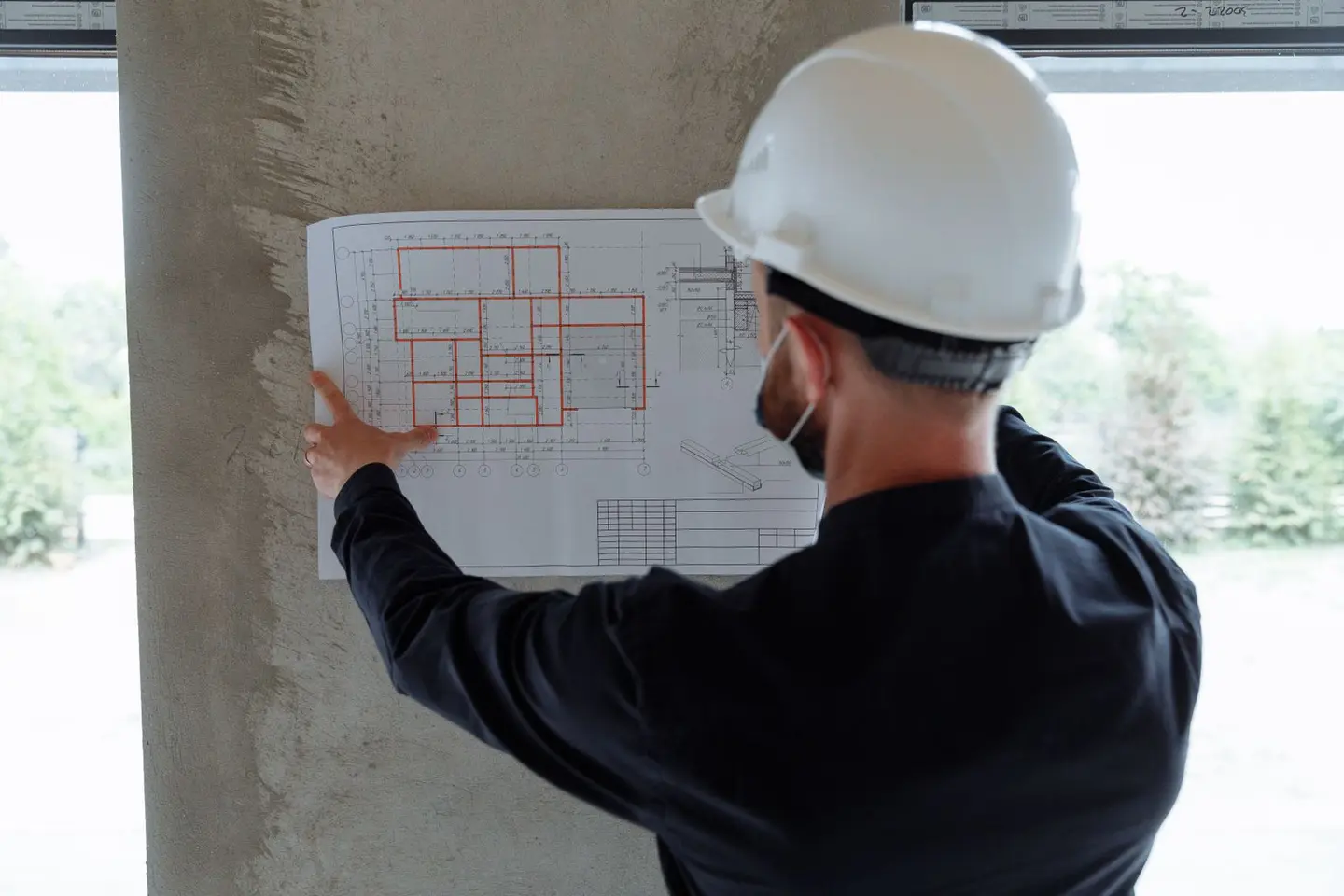
- Producing calculations and drawings that Building Control will sign off against.
They are not the same as your architect. The architect decides what the space looks like; the engineer makes sure it stays up. On larger jobs you’ll use both.
When you genuinely need one
You almost certainly need a structural engineer if your project involves any of the following:
- Removing or notching a load-bearing wall (including most “knock-through” kitchen-diners).
- Building an extension, single or double storey.
- A loft conversion that adds floor loads and alters the roof structure.
- Removing a chimney breast on one or more floors.
- Underpinning, subsidence, or any visible structural cracking.
- Forming a large opening for bifold or sliding doors in an external wall.
If you’re redecorating, fitting a kitchen, or moving a clearly non-structural stud partition, you don’t.
Not sure whether a wall is load-bearing? That’s the most common trigger for a call-out, see our guide on how to tell if a wall is load-bearing for the tell-tale signs.
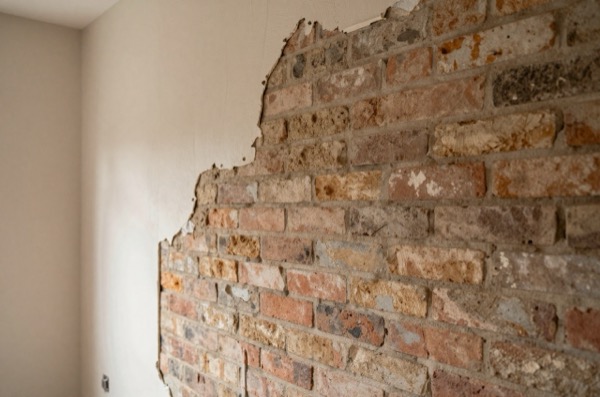
Chimney breast removal. In most Victorian and Edwardian terraces the breast carries the chimney stack above, even if it was capped off decades ago. Remove it downstairs while the stack continues above, and that brickwork needs somewhere to land, the engineer specifies a beam (or a pair, on party walls) plus padstones to spread the load. Skip it and the result is a sagging breast upstairs or cracked cornicing, see our chimney breast removal guide.
Load-bearing wall removal (knock-through). The everyday kitchen-diner knock-through follows the same logic at a smaller scale. The engineer identifies which joists the wall supports, calculates the loads above, and specifies a beam, steel, timber flitch, or occasionally glulam, plus padstones or posts at each end. A wall carrying two floors needs considerably more beam than one carrying a single storey; our guide to removing a load-bearing wall covers the process in full.
Loft conversions. Existing ceiling joists are usually sized for a bedroom ceiling, not a fully boarded floor with people and furniture on it, so the engineer specifies new or doubled-up joists spanning between new support points. A dormer or hip-to-gable conversion cuts away roof sections entirely, shifting loads onto trimmer beams, and the engineer checks the walls below can take the extra load down to the foundations, which is why a loft package is priced as a full scheme, not one calculation.
Extensions and underpinning. For an extension, the engineer designs the new foundations (depth depends on soil type and proximity to trees and drains) and the junction with the existing building, often the trickiest part. Underpinning goes further, specified when an existing foundation is inadequate due to subsidence or a new basement below the existing footing; Building Control usually inspects at each stage of the work. Our underpinning guide covers costs and warning signs.
Cracked lintels. Diagonal “stepped” cracking at the top corners of a window or door, or a visibly bowed lintel, usually means the lintel has failed (often an old un-galvanised lintel rusting and expanding) or there’s movement behind it. The engineer’s first job is diagnostic, old and dormant, or active, which decides whether you need a simple lintel swap or a wider subsidence investigation first.
Structural engineer vs architect vs Building Control
These three get confused constantly:
| Role | What they’re for |
|---|---|
| Structural engineer | Calculations and design that keep the building standing, beams, foundations, structural checks. |
| Architect / architectural designer | The design, layout, drawings and (often) the planning application. |
| Building Control | The local authority (or a registered building control approver) which checks the finished work complies with the Building Regulations and signs it off. |
The engineer produces the calculations; Building Control reviews and approves them, the engineer provides the evidence, not the approval itself. A surveyor is separate again, usually assessing a property’s condition or handling party-wall matters, which comes in separately if your work affects a shared wall, see our guide on party wall surveyors for when that applies.
What you actually get for the fee
A proper appointment produces a defined set of deliverables, not a beam size scribbled on the back of an envelope:
- Structural calculations, the maths behind every beam, foundation and connection, referenced against the relevant codes.
- General arrangement (GA) drawings, beam positions, sizes, padstones, and how the new structure ties into the existing building.
- A Structural Engineer’s Report (SER) on existing-structure jobs, whether cracking or movement is active or historic.
- A Building Regulations submission package, calculations and drawings formatted for Building Control, as Full Plans or supporting a Building Notice.1
- Site visits, where needed, to confirm as-built conditions match the calculations.
Ask what’s included before you instruct anyone, some price the calculations only and treat drawings and the submission as extras, which is fine provided it’s in the quote, not the invoice.
What a structural engineer costs in the UK
Fees depend on complexity and location, with London and the South East at the upper end. As a 2026 guide:
| Job type | Typical fee (2026) |
|---|---|
| Single calculation pack (one beam for a knocked-through wall or chimney breast) | £250–£500 |
| Larger scheme (extension, loft conversion, multiple openings) | £500–£1,500 |
| Hourly rate (site visits, ad-hoc advice, existing-structure investigations) | £50–£150 per hour2 |
| Structural Engineer’s Report (cracking, subsidence, pre-purchase) | £300–£600 |
Most domestic engineers quote a fixed fee once they’ve seen your drawings. Where an engineer charges by the hour instead, rates typically run about £50–£120 an hour, and about £80–£150 in London.32 Always confirm whether the quote includes the Building Regulations submission drawings or just the calculations, that’s the single biggest source of “why is this more than quoted” complaints.
Common mistakes to avoid
- Assuming a wall isn’t load-bearing because it “looks thin.” Some load-bearing walls are only a single skin of brick, get it confirmed, don’t guess.
- Instructing a beam size from a builder or forum post instead of a calculation. A beam that “looks about right” elsewhere may be wrong for your span and loading.
- Skipping the Building Regulations submission because “the builder knows what they’re doing.” Without it, you have no paper trail when you sell, and no legal cover if something goes wrong.
- Not telling the engineer about later changes. Widen an opening after the calculations are done and the original sizing may no longer apply.
- Forgetting party wall obligations. Cutting into a shared wall to bear a beam needs a party structure notice to your neighbour (and a party wall award if they dissent) alongside the structural sign-off, the two run in parallel, not instead of each other.4
How to find a good one
Look for a chartered engineer: MIStructE, Chartered Membership of the Institution of Structural Engineers (IStructE), or chartered membership of the Institution of Civil Engineers (ICE), is the recognised mark of competence in the UK.5 The IStructE’s Find an Engineer service lets you check a member’s status and search for structural engineering firms near you.6 Ask for examples of similar domestic work, confirm they hold professional indemnity (PI) insurance and ask what level of cover it provides, and get the fee, and what’s included, in writing. A good engineer will also flag a cheaper option where one exists, such as a wider but shallower beam to avoid dropping your ceiling.
The bottom line
If your project changes how loads move through the building, walls, openings, roofs, foundations, you need a structural engineer, and it’s not a corner worth cutting. The fee is small next to the cost of getting it wrong, and the stamped calculations are what let Building Control sign your project off.
The rules in this note are those that apply in England. Scotland, Wales and Northern Ireland have their own building standards and permitted development rights.
References (6)
Figures in this note were checked against the sources below on 30 September 2026. Superscript numbers in the text point to them. Every source the site cites, by topic.
- 1technicalvery strongGOV.UK, a government page.RN-JYRZYTHow to get building regulations approval: the choice between a full plans application and a building notice, using a competent person scheme instead where the work qualifies, and the determination and appeal routes if approval is refused. This is the page that decides which route a job takes, and the route decides both the fee and how much can go wrong on site before anyone checks.
- 2costsupplier figureSimplify Structures.RN-PKT6F3A price, true at 2026-09. Simplify Structures publishing its own price guidance for this work. A trade supplier writing about what it charges is evidence of the market rate and not a quotation, and the cost book treats it as one figure among several rather than on its own
- 3costsupplier figureSBS Structural and Architectural Design.RN-OXEAC5A price, true at 2026-09. SBS Structural and Architectural Design publishing its own price guidance for this work. A trade supplier writing about what it charges is evidence of the market rate and not a quotation, and the cost book treats it as one figure among several rather than on its own
- 4technicalvery strongThe National Archives (legislation.gov.uk), legislation.RN-C6XFB7A party structure notice must be served at least two months before the date on which the proposed work will begin, and must state the building owner's name and address, the nature and particulars of the proposed work (with plans, sections and load particulars where special foundations are proposed) and the date the work will begin. The notice ceases to have effect if the work has not begun within twelve months of service or is not then prosecuted with due diligence. Two months for a party structure notice against one month for a section 6 excavation notice is the distinction to cite.
- 5technicalstrongInstitution of Structural Engineers (IStructE).RN-6VI0FVMIStructE is the chartered grade of the Institution of Structural Engineers and the letters a homeowner should look for on structural calculations for a beam, a removed wall or an extension. IStructE describes the three steps: first establish the right academic foundation (an accredited degree, with a 'does my degree fit' check); second choose a route, most Chartered Members progressing as Graduate Members through Initial Professional Development, with alternative routes and a supplementary exam available; third pass the Professional Review, an exam plus interview that the Institution describes as one of the most demanding assessments of professional competence in the world. The Institution's other grades are Student, Graduate, Technician, Incorporated, Associate, Affiliate and Fellow, so AMIStructE or a technician grade is not the same thing as chartered.
- 6technicalstrongInstitution of Structural Engineers, guidance.RN-YORWXDThe Institution of Structural Engineers' find-an-engineer page, which offers a public directory for checking whether an individual is a member of the Institution.
-
Building regulations approval: how to apply, GOV.UK, accessed 30 September 2026. gov.uk
-
Structural engineer cost guide, Simplify Structures, accessed 30 September 2026. Priced at 2026-09 and left there. simplifystructures.co.uk
-
Structural Engineer Cost London 2026, SBS Structural and Architectural Design, accessed 21 September 2026. Priced at 2026-09 and left there. sbsstructures.co.uk
-
Party Wall etc. Act 1996, section 3: Party structure notices, legislation.gov.uk, accessed 30 September 2026. legislation.gov.uk
-
Chartered Membership, The Institution of Structural Engineers, accessed 30 September 2026. istructe.org
-
Find an Engineer, The Institution of Structural Engineers, accessed 30 September 2026. istructe.org